Click here to read important disclaimer & disclosures Click here to see more about North Shore Uranium
Uranium Exploration in North
America's Top Districts
TSX-V: NSU | OTCQB: NSURF
Emerging North American Uranium Story
Exploring a Historical Resource Estimate Via the Drill-Bit
Amid the Race to Secure Domestic Uranium Supply
With Drilling Underway in New Mexico & Discovery Catalysts Building in Canada’s Athabasca, This Sub-US$0.25 Per Share Uranium Explorer
Could be Entering a Critical Growth Phase
DRILLING UNDERWAY AT FLAGSHIP U.S. URANIUM PROJECT
Uranium Explorer Positioned in Two Premier
North American Uranium Epicenters
— Shares Below 25-Cents —
This report has been prepared and disseminated on behalf of North Shore Uranium Ltd.
Click here to read sponsorship/paid advertising disclosure.
Uranium Explorer Positioned in
Two Premier North American Jurisdictions
Exposure to a US Historical Resource Estimate and
Athabasca Basin Discovery Potential
The rapid growth of AI datacenters, grid infrastructure, and broader electrification trends are driving increased demand for reliable baseload power.
As governments and technology companies increasingly turn to nuclear energy — the primary carbon-free proven source of reliable, large-scale baseload power capable of powering an increasingly electrified world — attention is once again shifting toward the uranium supply chain and the need for new sources of domestic production.
One company with exposure to that trend — with drilling now underway at its Rio Puerco uranium project in New Mexico — is:
North Shore Uranium Ltd. (TSX-V: NSU)(OTCQB: NSURF)
Currently trading below US$0.25 per share, North Shore Uranium (“NSU”) is advancing a robust portfolio of uranium exploration projects across two of North America's most important uranium jurisdictions: New Mexico's historic Grants Uranium District and Saskatchewan’s famed Athabasca Basin.
NSU’s lead asset is the Rio Puerco Project in New Mexico where drilling is underway with the goal of validating historical data supporting a historical uranium resource estimate containing 11.4 million pounds of U3O8 and advancing what represents the company’s most immediate catalyst for potential value creation.
North Shore also controls the Falcon and West Bear projects in Saskatchewan’s Athabasca.
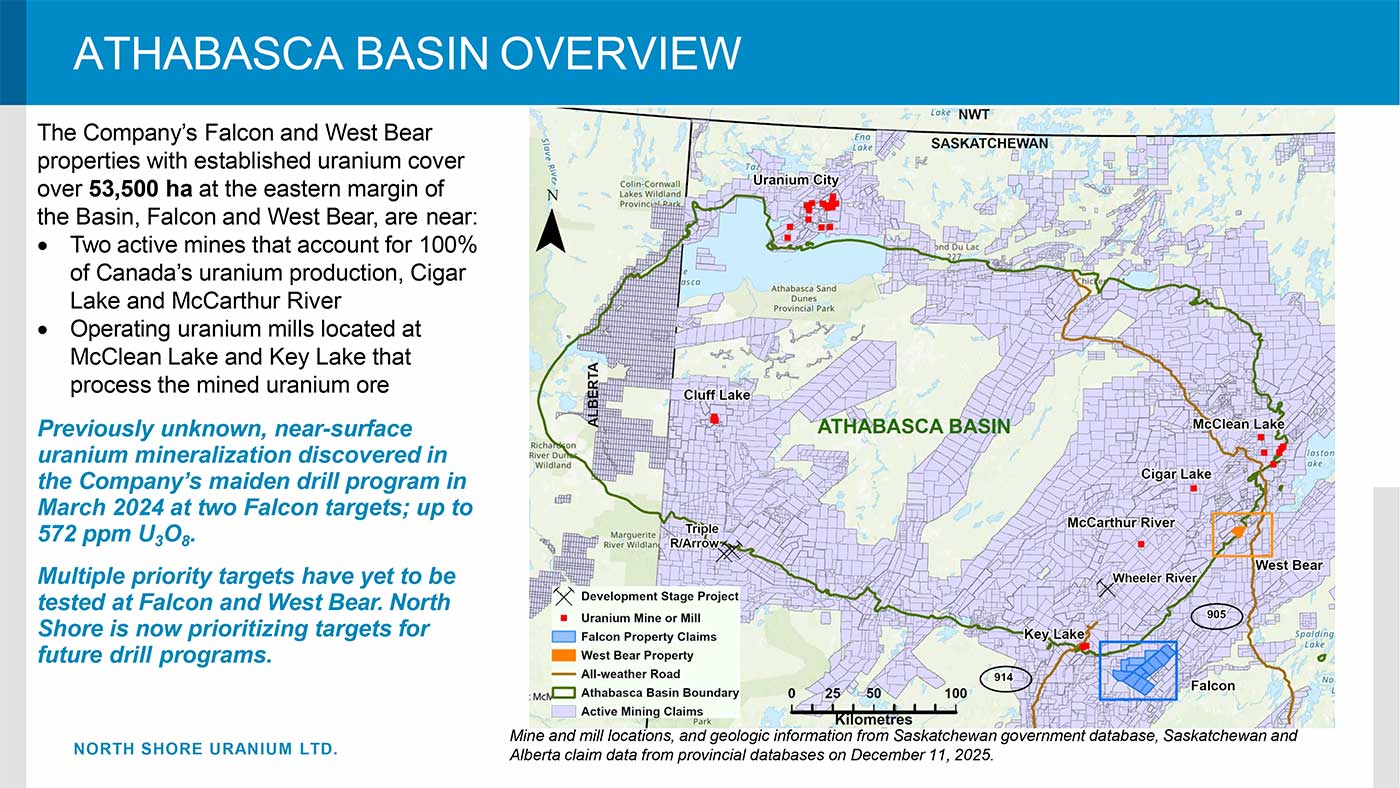
Falcon covers more than 49,000 hectares located approximately 30 km from industry leader Cameco's Key Lake uranium mill and former mine, hosting 36 identified uranium targets and offering exposure to discovery potential in the Athabasca Basin, one of the world's premier Tier-1 uranium districts.

West Bear adds additional exploration optionality through a strategic land position near established uranium deposits at the eastern margin of the basin.
North Shore is led by an experienced team with uranium exploration and development expertise.
President & CEO Brooke Clements — whom you'll hear from directly in our exclusive interview coming right up — brings more than four decades of geological and project development experience.
Adding further uranium-sector expertise is Director Blake Steele, who led Azarga Uranium as CEO through its strategic acquisition by enCore Energy.
As interest in nuclear energy and uranium demand continues to accelerate, NSU may be well positioned to capitalize on several powerful industry trends.
Next, we'll take a closer look at North Shore Uranium’s projects, including the recently commenced drill campaign at Rio Puerco and the exploration activities and targets associated with the company's Athabasca Basin assets.
Rio Puerco: Evaluating a Historical Uranium Resource Estimate in America's Largest Uranium District
Drill Program Underway to Support
Modern Resource Estimate
Rio Puerco has quickly emerged as the centerpiece of the North Shore Uranium story with drills now turning.
Located approximately 50 miles northwest of Albuquerque, New Mexico, the project sits within the Grants Uranium District, the largest historical uranium-producing district in the United States.
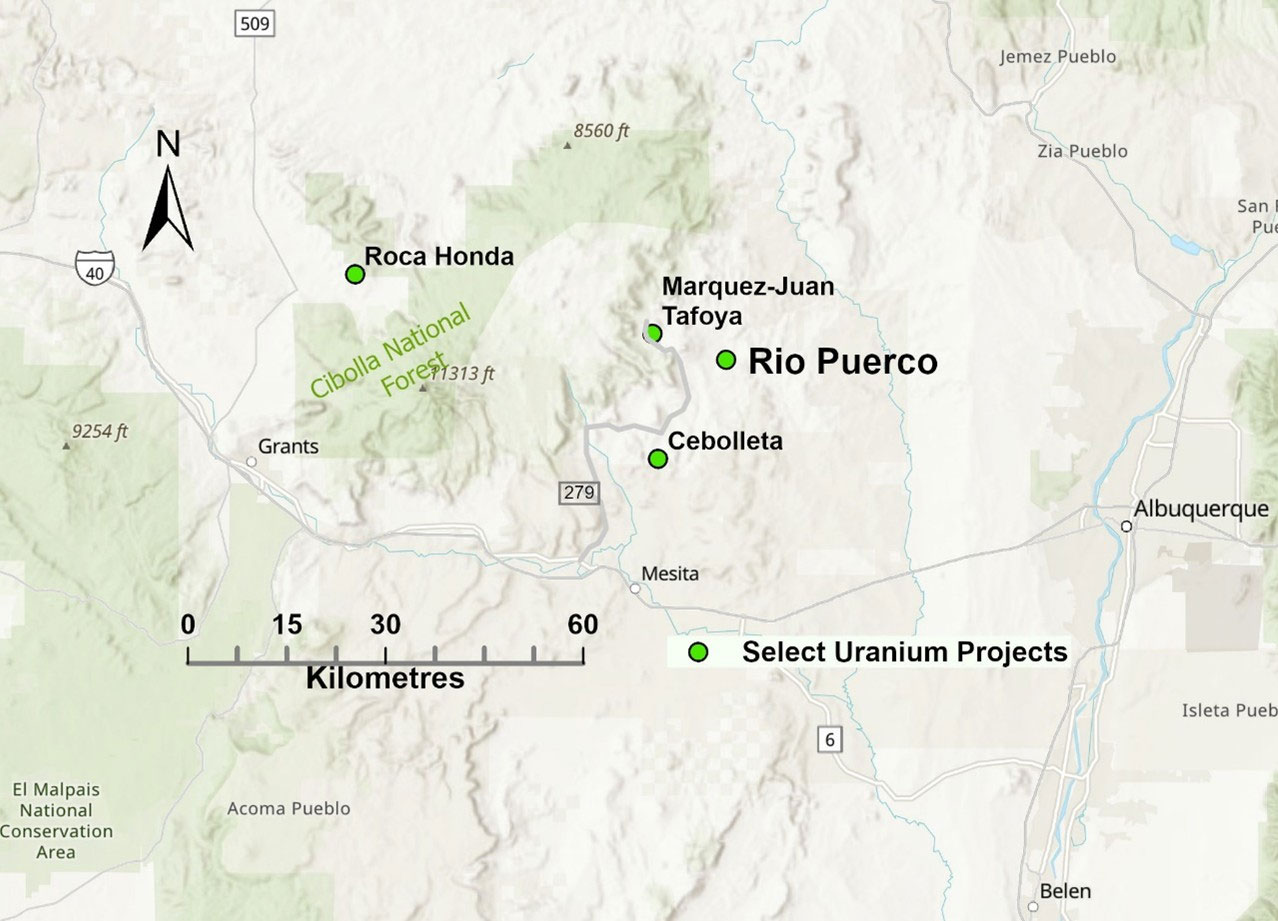
Over its history, the district produced more than 340 million pounds of uranium and remains one of North America's most recognized uranium regions.
North Shore acquired an option on the project in 2025 as part of its strategy to establish a presence in the United States amid growing bipartisan support for domestic uranium supply.
A historical resource estimate of 6.0 million tonnes grading 0.09% eU3O8 containing 11.4 million pounds of U3O81.
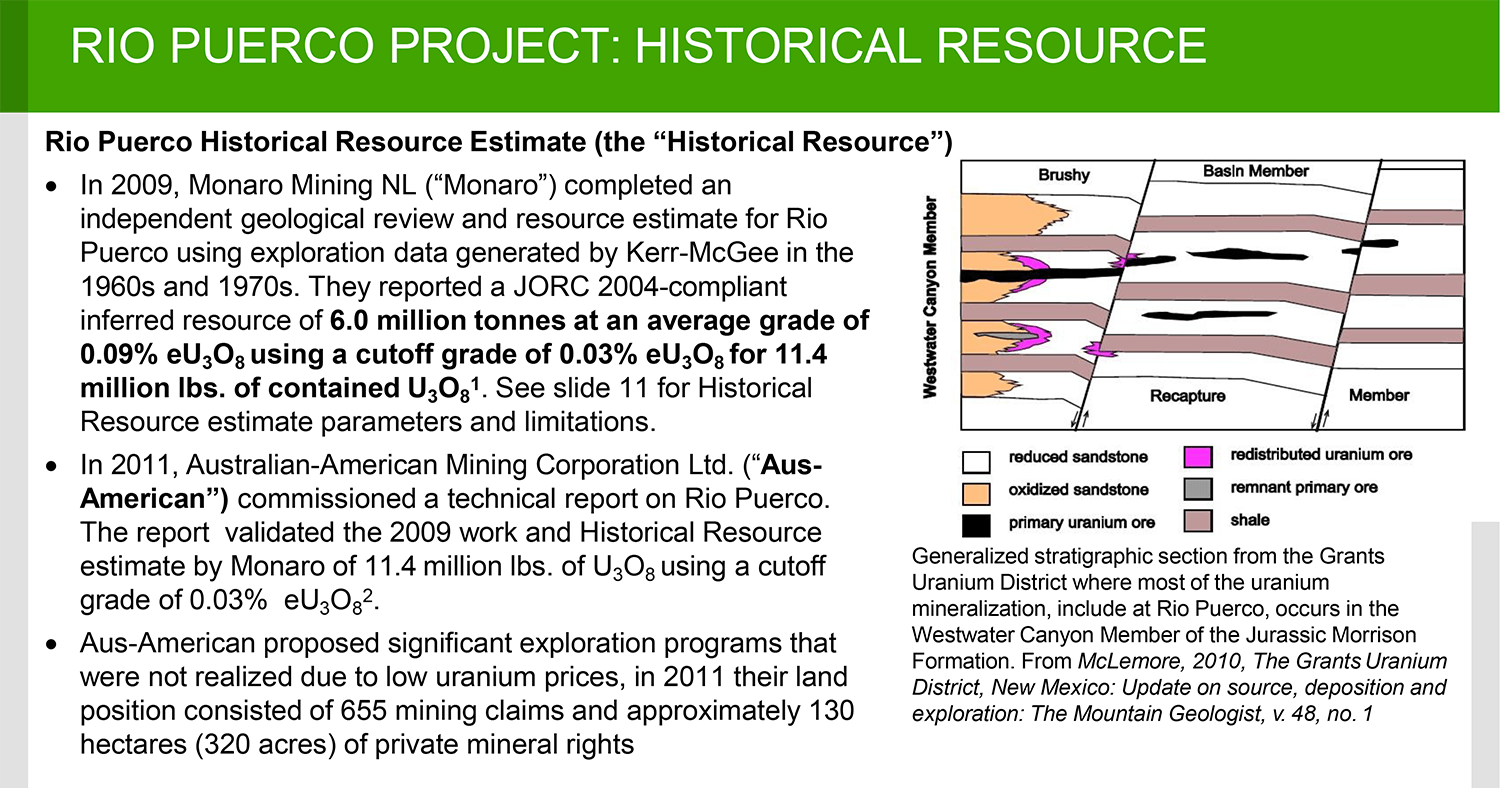
The Historical Resource estimate data was derived from extensive work completed by Kerr-McGee during the 1960s and 1970s, including more than 1,100 drill holes and underground mine development.
Importantly, the Historical Resource estimate is located within only one section of the broader claim package. The NSU team has identified historical uranium mineralization on adjacent sections that may warrant further exploration and offers future expansion potential.
Drilling is now underway at Rio Puerco with the first three holes totaling 625 meters already completed in early June. The Company has the required permits to drill a 26-hole, ~6,000-meter program.
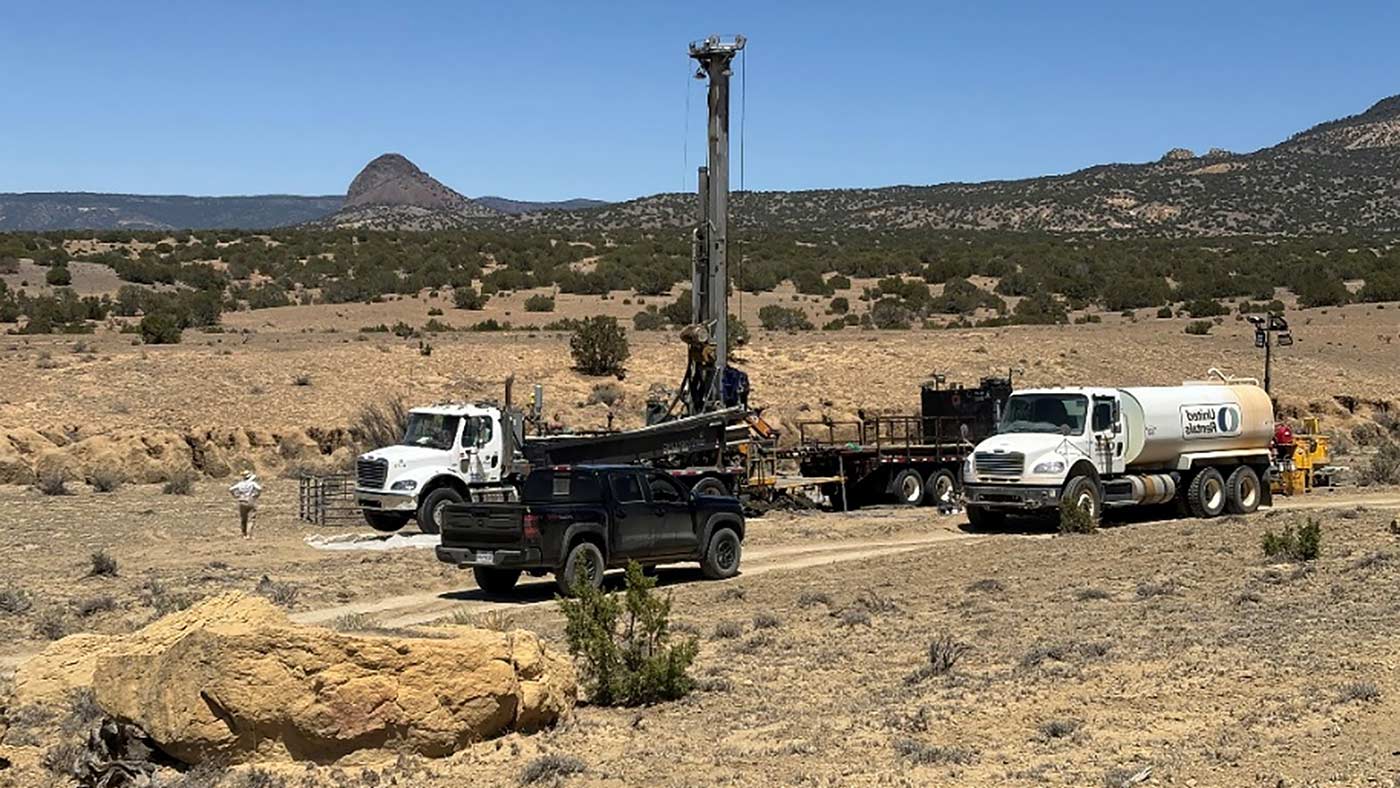
The newly commenced campaign is designed to validate historical drilling completed by Kerr-McGee, support the advancement of the project toward a NI 43-101 compliant resource estimate, and evaluate nearby mineralization beyond the current historical resource footprint.
As Clements recently stated:
“We are excited to see the drill turning at Rio Puerco and the program running smoothly. The data we acquire from this program will help us do a detailed assessment of the uranium mineralization at the Project. With its rich uranium mining history and an abundance of uranium resources, we think that New Mexico has the potential to become a leader in the USA’s push to produce more uranium in the future.”
Another aspect of Rio Puerco that has attracted considerable attention is its potential suitability for in-situ recovery (ISR) mining.
ISR has become an increasingly important uranium extraction method in the United States due to its ability to lower production costs while reducing the surface footprint associated with conventional mining methods.
The NSU team points to several characteristics of the deposit — including flat-lying, sedimentary-hosted uranium mineralization below the water table and confinement by shale units — that may be favorable for ISR evaluation, a potential the team will assess through its ongoing drilling and geological work.
The project's advancement also comes at a favorable time for domestic uranium development.
The United States remains the world's largest consumer of uranium while producing only a small fraction of its annual requirements domestically.
As utilities, governments, and technology companies seek reliable sources of baseload energy to support everything from electrification initiatives to the rapid expansion of AI-driven data centers, interest in secure North American uranium supply continues to grow.
The North Shore team believes New Mexico could play an important role in that future.
As Clements notes, the state was historically America's largest uranium producer and still possesses substantial uranium resources that could help support future domestic supply requirements.
Further underscoring that point, Clements recently noted:
“On June 2, Urenco, one of two uranium enrichment facilities in the USA and the largest, located in New Mexico, announced a major expansion.”
That expansion underscores the increasing strategic importance of domestic uranium and nuclear fuel infrastructure — particularly in the uranium-rich state of New Mexico.
With drills turning, assays forthcoming, and a Historical Resource estimate already reported, Rio Puerco represents North Shore’s most advanced project and most immediate potential catalyst.
And while the New Mexico asset is generating much of the current attention, it is only one part of the company's broader North American uranium portfolio.
In Saskatchewan's Athabasca Basin, which we’ll explore next, North Shore controls a large and highly prospective land package where recent exploration has already resulted in a new uranium mineralization discovery.
Falcon Project: District-Scale Discovery Potential in Saskatchewan's Athabasca Basin
New Uranium Discovery, 36 Targets
& Significant Exploration Potential
While Rio Puerco provides North Shore with a historical resource estimate and an active drill program, Falcon delivers something that could be equally important: exposure to district-scale discovery potential in one of the world's premier Tier-1 uranium districts.
Located at the eastern margin of Saskatchewan's Athabasca Basin, North Shore's Falcon project covers more than 49,000 hectares and occupies a strategic position within the basin.
The project is situated ~30 km east of Cameco’s Key Lake uranium mill and formerly producing Key Lake Mine — one of the most significant uranium-producing operations in Canadian history.
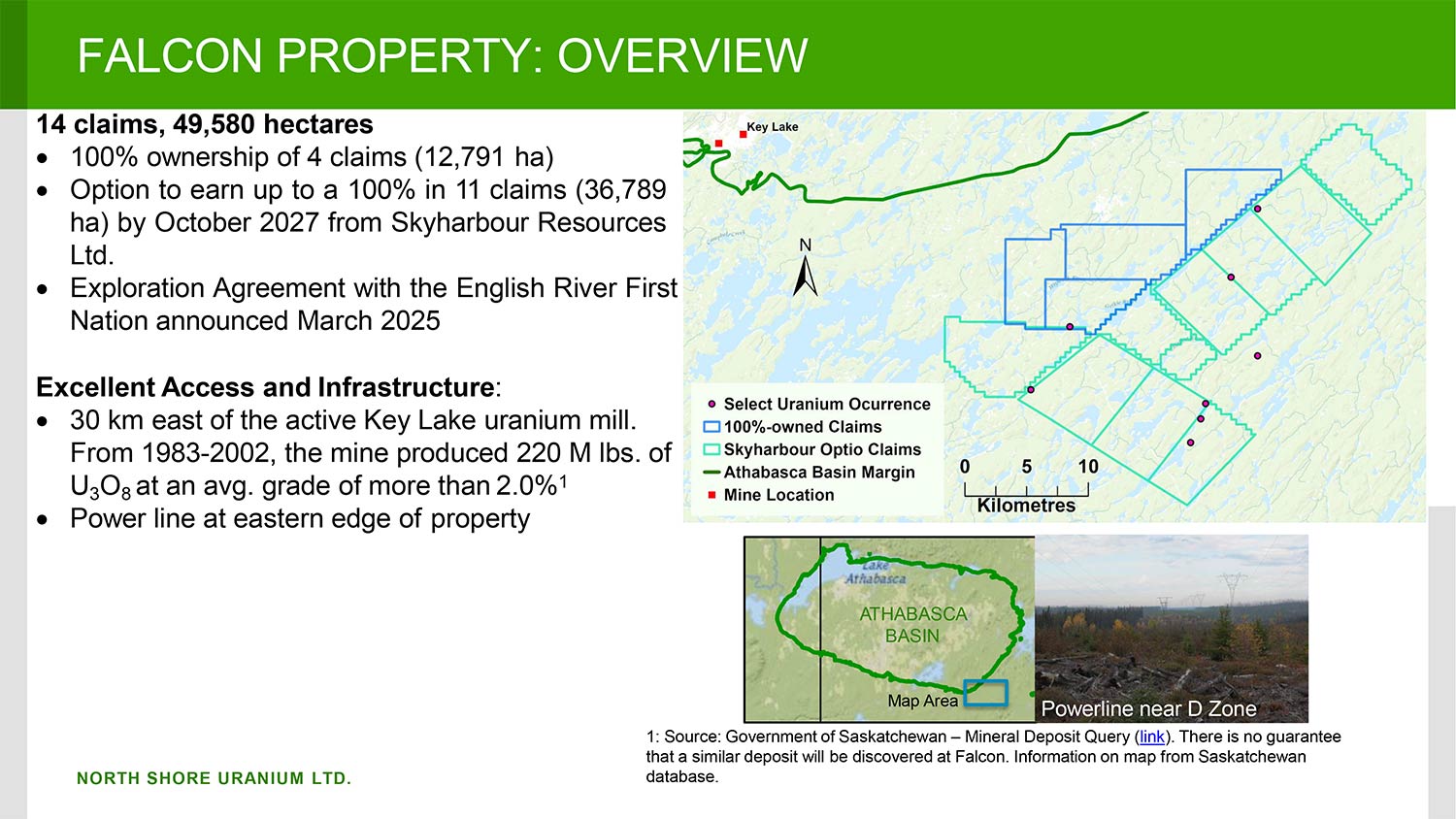
Falcon's location also places it within a highly active exploration corridor that hosts several notable uranium discoveries and deposits.
Nearby projects include Geiger Energy’s Ackio discovery, Atha Energy's Gemini Mineralized Zone (GMZ), and Fraser Lakes Zone B, underscoring the fertility of the surrounding district and the ongoing exploration interest in the region.
North Shore's work to date has identified 36 uranium targets across the property, including 11 priority targets distributed among five principal target areas.
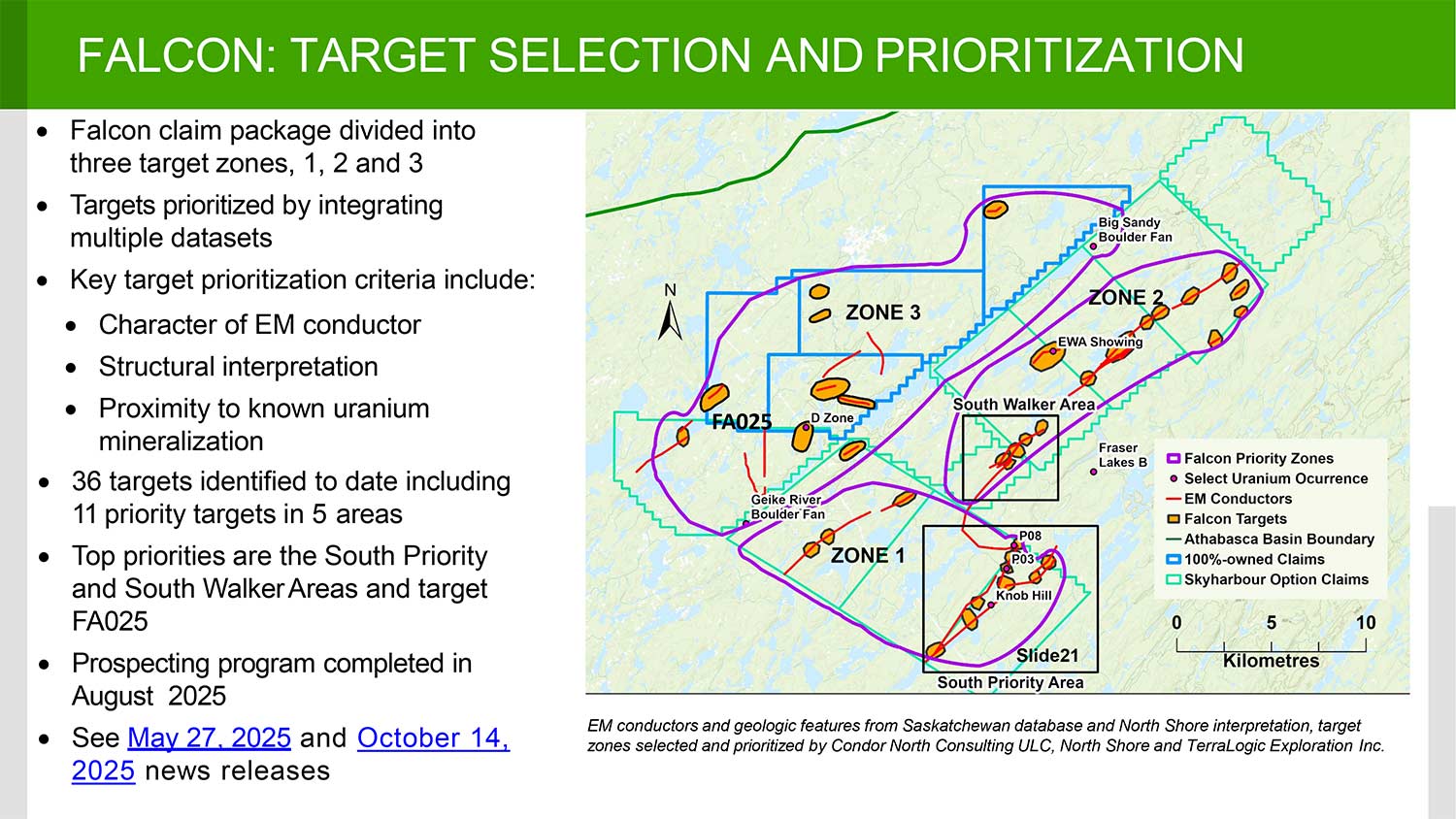
The targets were generated through the integration of airborne geophysical surveys, gravity data, historical exploration results, and the company's own fieldwork.
Importantly, Falcon has already delivered encouraging results.
In 2024, North Shore completed its maiden drill campaign on the property and successfully discovered uranium mineralization at two separate target areas. The program returned values of up to 572 parts per million (ppm) U3O8 and confirmed the presence of uranium mineralization within a previously untested conductor system.
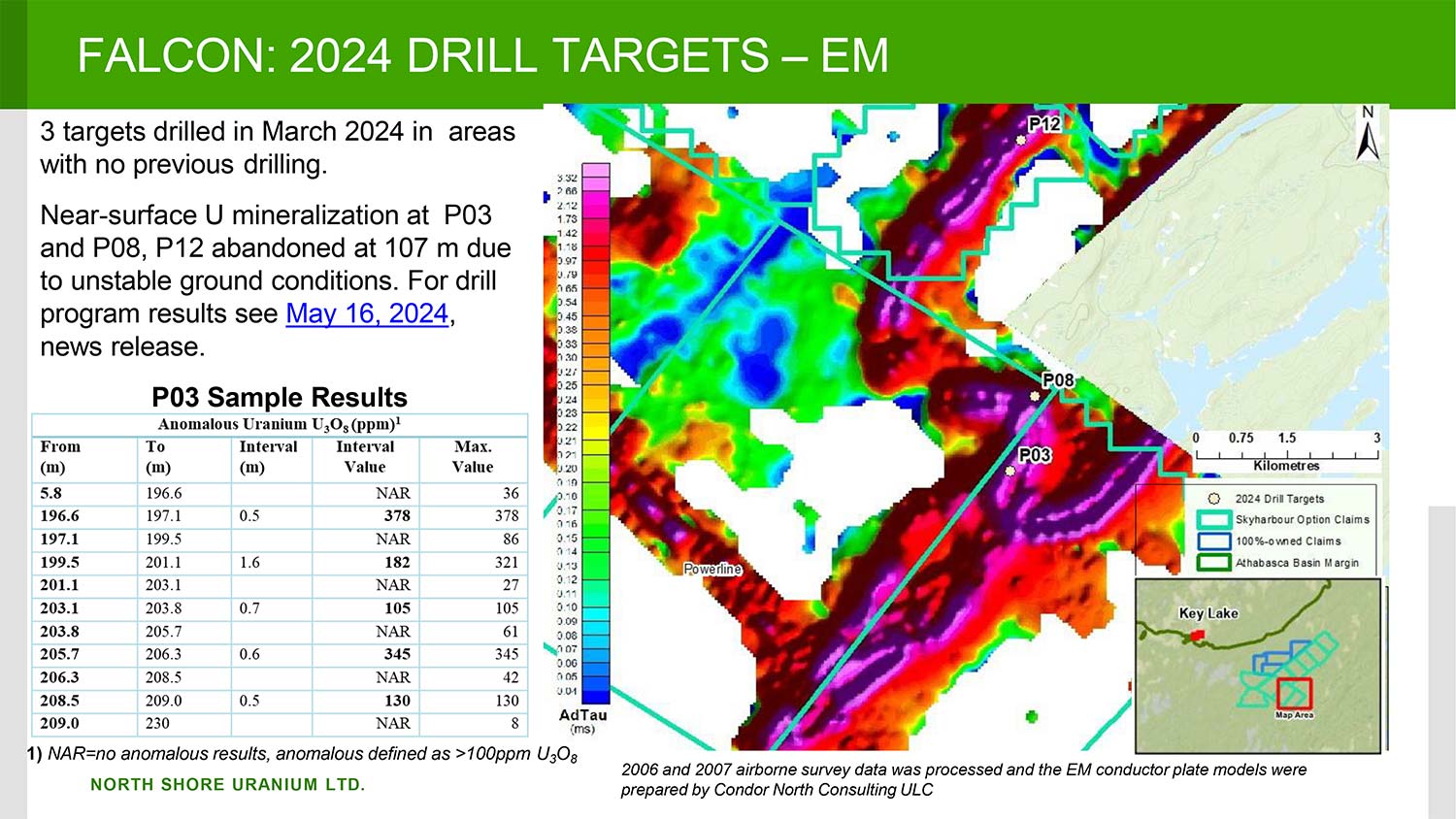
Subsequent programs have continued to strengthen North Shore's confidence in the project, with field crews identifying highly radioactive outcrops and boulders across several target areas in August 2025, including readings of up to 27,000 counts per second (cps) — further highlighting the exploration potential across the broader land package.
As Clements noted following the program:
“The high radioactivity values observed at several target areas continue to demonstrate the significant uranium potential at Falcon.”
Beyond the exploration results themselves, Falcon offers a compelling mix of favorable geology, multiple target types, existing infrastructure, and district-scale exploration upside within an underexplored portion of the Athabasca Basin.
Next, we'll take a look at West Bear, North Shore's second Athabasca-hosted exploration project.
West Bear: Expanding NSU’s Athabasca Footprint
Strategic Land Position Near Established Uranium Deposits
While Rio Puerco and Falcon represent North Shore's primary value drivers, the company's West Bear Project provides further exploration exposure within Canada’s prolific Athabasca Basin.
Located at the eastern margin of the basin, West Bear spans roughly 4,000 hectares near Uranium Energy’s West Bear uranium and cobalt-nickel deposits.
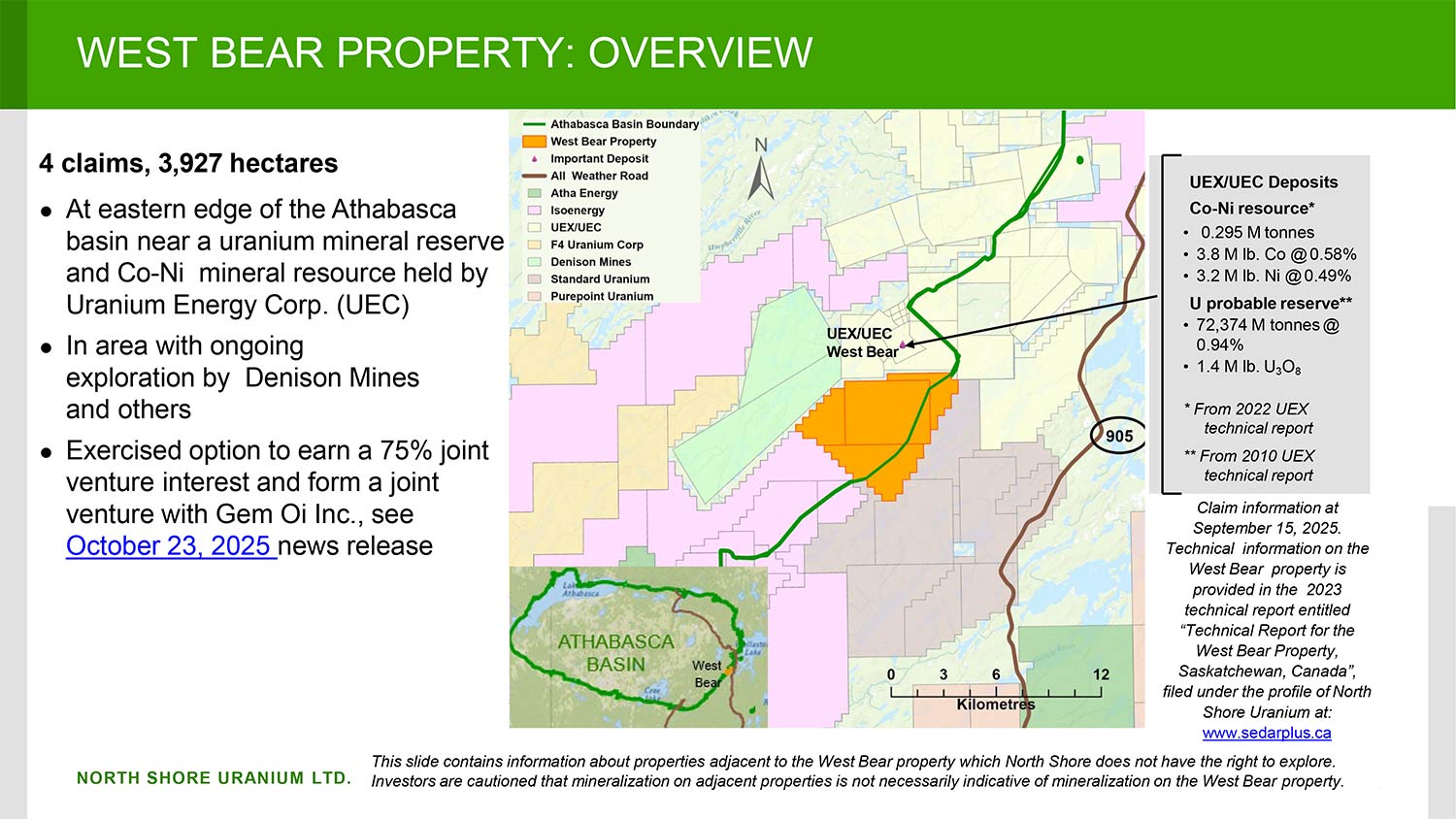
The property's location within an established mineralized corridor highlights the broader prospectivity of the district, reinforcing NSU's strategy of building a diversified portfolio in proven North American uranium jurisdictions.
In October 2025, North Shore completed its earn-in requirements to secure a 75% interest in the West Bear project, providing the company with a significant position in an area that has seen historical uranium exploration but remains relatively underexplored.
Historical work at West Bear includes airborne geophysical surveys and limited drilling, while NSU's own exploration programs have helped identify several targets warranting additional follow-up.
Although West Bear currently receives less attention than Rio Puerco and Falcon, the project broadens North Shore's Athabasca Basin exposure while providing additional exploration potential.
Together, Rio Puerco, Falcon, and West Bear provide North Shore with exposure to Historical Resource validation, district-scale exploration, and multiple exploration and project advancement opportunities across North America.
As demand for secure uranium supply continues to grow, NSU provides exposure to ongoing exploration activities aimed at validating a Historical Resource estimate, discovery potential, and multiple uranium catalysts across two of North America's most important uranium regions.
Next, we'll take a closer look at the broader uranium market and why the themes of energy security, AI-driven power demand, and domestic supply provide a favorable backdrop as North Shore advances its portfolio of projects.
North Shore: Positioning itself for the Uranium Supply Gap
Nuclear Growth, AI Data Centers
& The Need for Domestic Uranium Supply
Several trends are contributing to increased interest in uranium and nuclear energy.
The United States is the world's largest consumer of uranium — aka yellowcake — and faces a significant domestic supply gap, consuming approximately 50 million pounds annually while producing only around 2 million pounds.

At the same time, governments around the world are increasingly embracing nuclear energy as a critical component of future energy systems.
Interest in nuclear power has accelerated in recent years as countries seek to strengthen energy security, reduce emissions, and ensure long-term grid reliability. More than 20 nations have now pledged to triple global nuclear capacity by 2050, while reactor construction worldwide remains near multi-decade highs.
The rise of AI data centers, advanced manufacturing, and the broader electrification of the economy is increasing demand for electricity at a time when aging power grids require significant investment, modernization, and expansion.
As governments and technology companies increasingly turn to nuclear energy — the primary carbon-free source of baseload power deployable at meaningful scale today — attention is once again shifting toward the uranium supply chain and the need for new sources of domestic production.

Major technology companies including Microsoft, Amazon, Google, and Meta have all announced nuclear energy initiatives to help secure future power needs, while development of Small Modular Reactors (SMRs) continues to advance across North America.

The uranium market has already begun responding to these dynamics.
After spending years at levels that discouraged new mine development, uranium prices have recovered significantly to currently trade around US$85 per pound, driving renewed exploration and development activity across the sector.
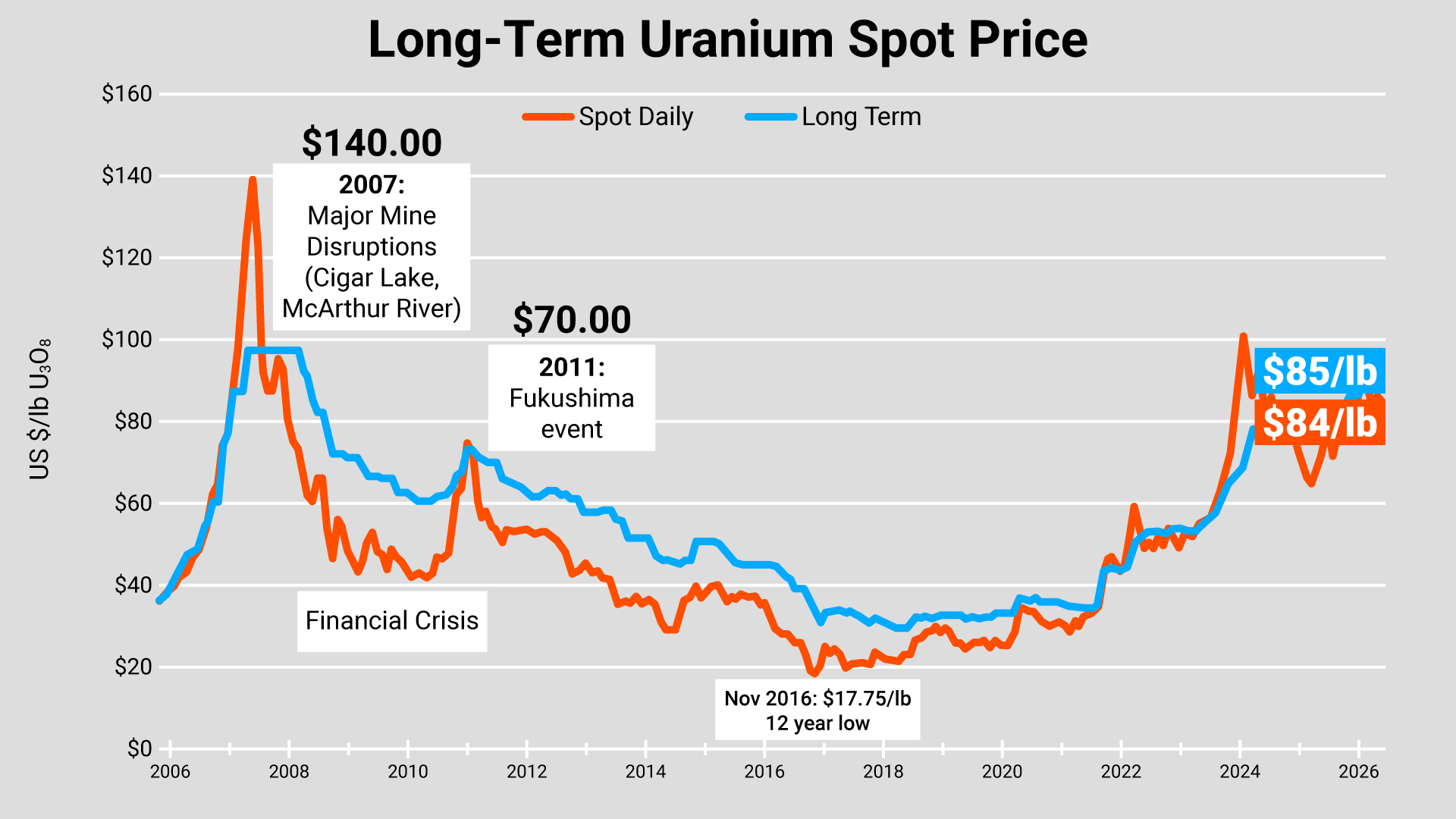
For North Shore Uranium, these trends are particularly relevant.
The company's Rio Puerco project is located within one of America's most historically important uranium districts, while Falcon and West Bear provide exposure to discovery potential within Saskatchewan's Athabasca Basin, widely recognized as the world's premier uranium jurisdiction.
As utilities, governments, and private industry seek to secure long-term uranium supply from stable jurisdictions, exploration companies with exposure to resource delineation, discovery potential, and strategic project locations may be well-positioned to benefit.
Clements believes New Mexico could play an increasingly important role in addressing future domestic uranium supply requirements, noting:
“With its rich uranium mining history and an abundance of uranium resources, we think that New Mexico has the potential to become a leader in the USA's push to produce more uranium in the future.”
Further underscoring that point, Clements recently highlighted Urenco's June 2026 announcement regarding a major expansion at its New Mexico uranium enrichment facility.
That expansion serves as another reminder of the growing strategic importance of domestic uranium and nuclear fuel infrastructure within the United States.
With drilling underway at Rio Puerco, a growing pipeline of targets at Falcon and West Bear, and a uranium market increasingly focused on secure North American supply, North Shore is advancing exploration projects that are exposed to several long-term trends affecting the uranium sector.
As important as the market backdrop may be, successful execution ultimately depends on the people advancing the projects. To that end, NSU is led by an experienced team with decades of experience in uranium exploration, project development, and capital markets.
Next, we'll hear directly from CEO Brooke Clements as he walks us through the company’s strategy, project portfolio, and upcoming catalysts.
Excerpts from an Exclusive Interview
by Gerardo Del Real with North Shore Uranium
CEO Brooke Clements on April 9, 2026
The North Shore Uranium team brings extensive experience in uranium exploration and project development within the small-cap resource sector.

President & CEO Brooke Clements brings more than four decades of geological, exploration, and project development experience spanning uranium, precious metals, and numerous successful mineral exploration programs. His accomplishments have been recognized through multiple industry awards, including the PDAC Bill Dennis Award and the AMEBC Hugo Dummett Award.
Supporting the board is Director Blake Steele, former President & CEO of Azarga Uranium. Steele helped guide Azarga through its growth and eventual acquisition by enCore Energy, bringing additional uranium-sector expertise and capital markets experience to North Shore.
Together, Clements and Steele bring a combination of technical, operational, and strategic knowledge as NSU advances its uranium exploration portfolio across New Mexico's Grants Uranium District and Saskatchewan's Athabasca Basin.
Without further ado, let’s dive in as our own Gerardo Del Real of Resource Stock Digest sits down with North Shore Uranium CEO Brooke Clements to discuss the ongoing drilling at Rio Puerco and the broader opportunity ahead.
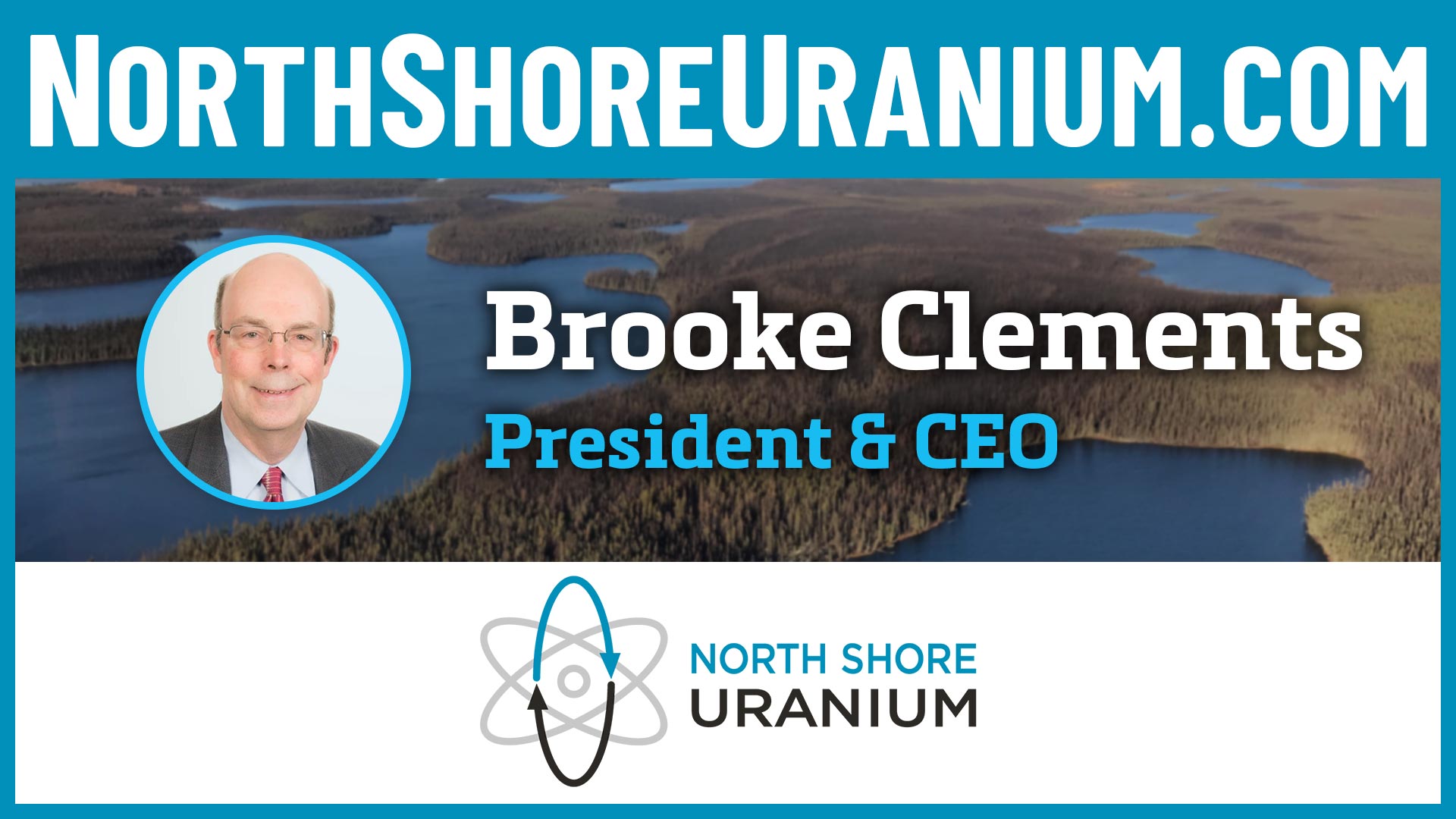

Gerardo Del Real: This is Gerardo Del Real with Resource Stock Digest. Joining me today is the President & CEO of North Shore Uranium — Mr. Brooke Clements. Brooke, it's great to have you back on. How are you today?

Brooke Clements: Great to be back, Gerardo. I’m doing really well.
Gerardo Del Real: Let's get right into it. You had some important news that I want to get to. But first, we are in a hyper-volatile moment in the markets, and geopolitically in general. And despite all the volatility, uranium has been remarkably stable.
Some, including myself, who believed uranium was going much, much higher, would call it a bit on the boring side — although boring is really welcome right now. The one consistent area of agreement among politicians on both sides of the aisle here in the US, outside of spending anyway, is advancing nuclear capacity and critical metals.
And so I want to start there. What are your thoughts on America’s domestic uranium supply, the bipartisan support we’re seeing, and also what you're hearing in the space?
Brooke Clements: Absolutely. As you know, Gerardo, the United States is the world’s leading consumer of uranium. We’re talking consumption of around 50 million pounds per year. Last year, the US only produced around 2 million pounds — so there's a real deficit there.
The US plans to build a lot more nuclear capacity in the coming years, particularly through the deployment of small modular reactors, or SMRs, which you’re hearing so much about. Also, last year, the US designated uranium as a critical mineral, and there's a strong push by the administration to increase domestic production.
The current administration is also assisting via permitting efforts, incentives, executive orders, and things of that nature. So yes, the United States is a great place to be looking for uranium with the growing supply deficit.
Gerardo Del Real: I couldn't agree with you more. And listen, you are in an enviable position. North Shore Uranium has a tiny market cap around US$15 million. And at your Rio Puerco project in New Mexico, you have a historical resource estimate containing approximately 11.4 million pounds of U3O8.
And so, as a shareholder, it excites me to see that you have commenced what I believe is going to be a really exciting 2026 program. Can you give me the details on the approach and the program?
Brooke Clements: Sure. First, just as a little background, we always say ‘historical’ resource. And that's because the historical resource estimate of 11.4 million pounds, or 6 million tonnes, was defined in the 1970s and wasn't defined by today's regulatory standards.
One of the main things we’re aiming to accomplish in this drill program is to repeat the results and validate that historical resource estimate to today's NI 43-101 standards. Essentially, we're going to twin about 25 of the holes drilled in the 1970s, and we have the results of those historical holes in our database.
If we can do that successfully, we'll be able to call it a current resource. So that's one of the main objectives of our current drill program.
Gerardo Del Real: I’ve got to believe the rerating on that would be pretty significant because, right now, your valuation is almost like a shell. I've known North Shore director Blake Steele for quite some time. I've done really well with uranium and Blake in the past. I expect to continue to do very well with North Shore Uranium in the future.
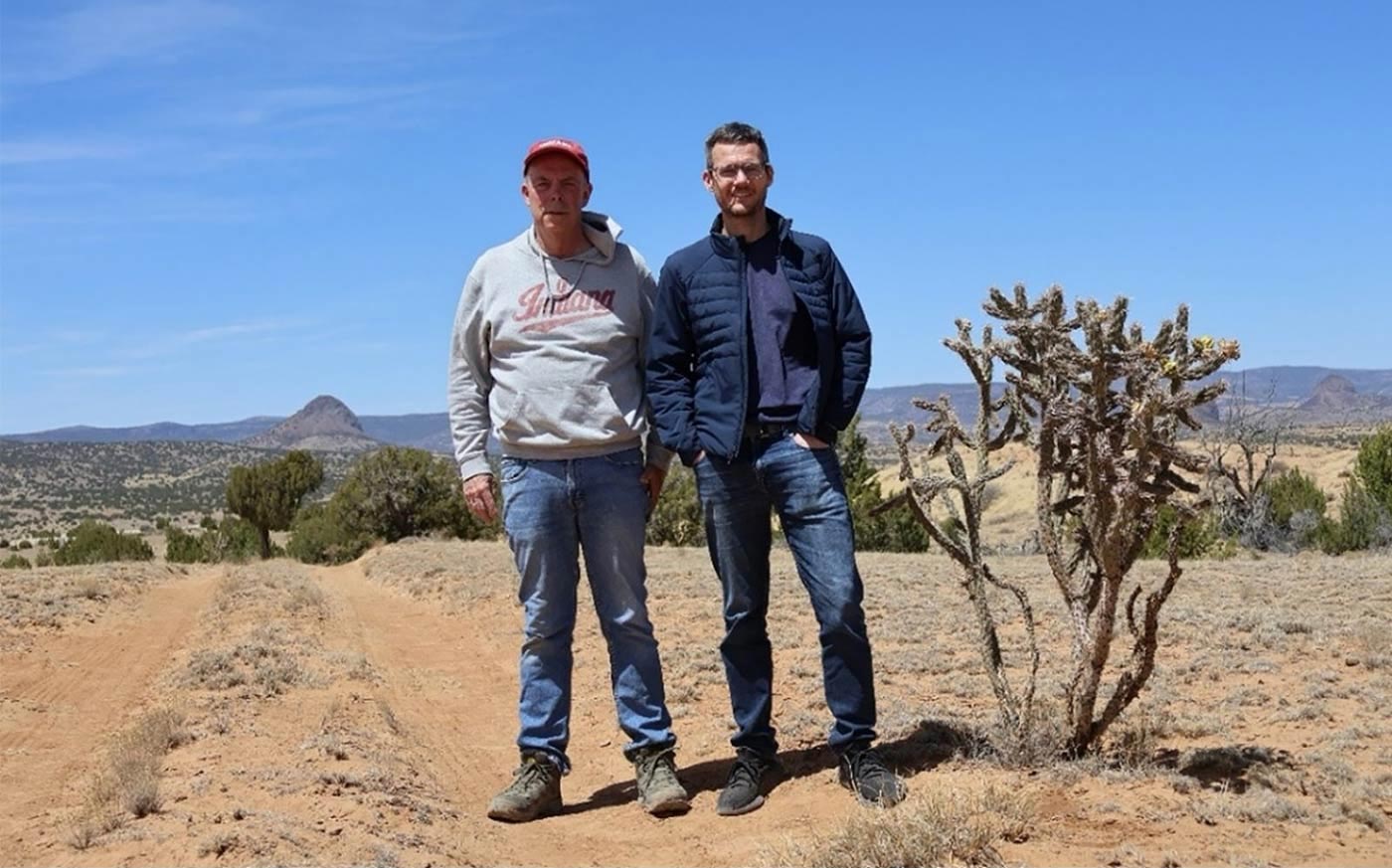
I also have to believe that peer comps for a resource that is upgraded and updated is going to be significantly higher than the current US$15 million market cap. Tell me about the drill program. How aggressive do you plan on being with it?
Brooke Clements: Our plan is to drill around 25 holes. Our drill contractor is Harris Drilling out of Fallon, Nevada, and they have significant uranium experience. Very notably, they've been drilling for NexGen Energy, which has a permitted uranium mine in the western Athabasca Basin up in Saskatchewan. So we're in good hands, and we’re moving forward and trying to get this program going as soon as possible.
Gerardo Del Real: That’s exciting. And again, the historical resource based on 6 million tonnes should support a valuation far higher than US$15 million in this market. How do you see the uranium price developing throughout the rest of 2026, given where the utilities are and their need to start contracting for future supply?
Brooke Clements: Well, there's a significant gap. I believe around 90% of current demand is produced by mines and the rest from stockpiles, again, with very little new capacity coming online in the near-term. So what we’re likely to see is the current supply gap widening further.
That should only be a net positive for uranium prices going forward. The price for yellowcake was over US$100/lb in early January 2024 driven in part by that speculation.
Right now, with so many things happening in the market, we’re seeing a bit of a pullback to around US$85/lb. But once things settle down, I think people will start realizing how critical that supply gap is, and prices will start ratcheting back up.
Gerardo Del Real: Agreed. I’m very much looking forward to hearing drill updates from Rio Puerco. Anything else to add, Brooke?
Brooke Clements: Keep in mind also that the entirety of that historical resource estimate is located in one section, and we have confirmed uranium mineralization on three adjacent sections within our claim area. One particular section had 800,000 tonnes of mineralized material identified in the 1970s. Clearly, one of our objectives will be to flush out that potential as we grow the overall resource via the drill bit.
Plus, if we are able to convert the historical resource to current, we'll also be assessing the potential for in situ, or ISR, mining, which is the most cost-effective and clean method of uranium extraction in the world and the preferred method in North America.
Some of the conditions at Rio Puerco are ideal for that: flat lying, sedimentary-hosted uranium mineralization below the water table bounded by shale layers. So those are a couple of other objectives we’ll be focused on during the current exploration phase.
Gerardo Del Real: A lot to like. Again, tiny market cap, experienced team, historical resource on US soil, vast exploration upside — and ideal timing with bipartisan support for domestically-sourced uranium as a newly-designated critical mineral.
Brooke, thank you so much for your time today. I really appreciate it.
Brooke Clements: Thank you, Gerardo.
The North Shore Uranium Opportunity
The North Shore Uranium story is just beginning to take shape.
The company is advancing a robust portfolio of uranium exploration assets spanning two of North America's most important uranium jurisdictions at a time when domestic supply security and nuclear energy are becoming increasingly important themes across the energy sector.
North Shore’s lead US project, Rio Puerco, located in northwestern New Mexico has a historical uranium resource estimate within America's largest past-producing uranium district. With drilling now underway and the first holes already completed, the NSU team is actively working to evaluate the historical resource estimate and advance the project toward a modern mineral resource estimate.
At the same time, the company’s Falcon and West Bear projects provide meaningful exploration upside within Saskatchewan's Athabasca Basin.
Falcon has already delivered a new uranium discovery and hosts dozens of identified targets across a district-scale land package, while West Bear broadens NSU’s Athabasca exposure with additional uranium targets in a proven mineralized corridor.
Together, the projects provide speculators with exposure to both resource advancement and discovery-driven growth in a strong uranium price environment.
For speculators, that valuation disconnect represents one of the most compelling aspects of the North Shore opportunity.
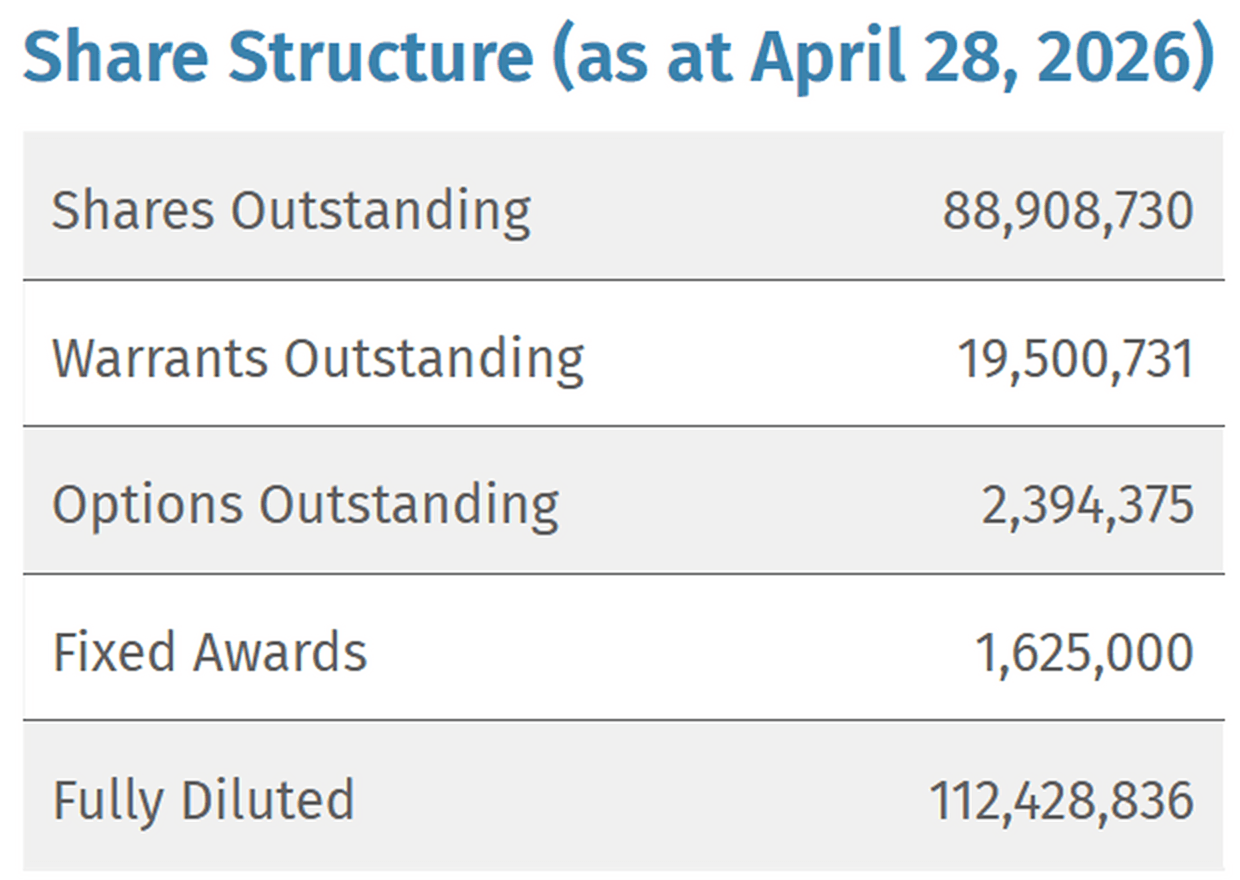
With approximately 88.4 million shares outstanding (non-fully diluted) for a current market capitalization of around US$15 million, North Shore Uranium is advancing uranium projects in two premier North American jurisdictions and offers exposure to multiple potential catalysts across a diversified uranium portfolio.
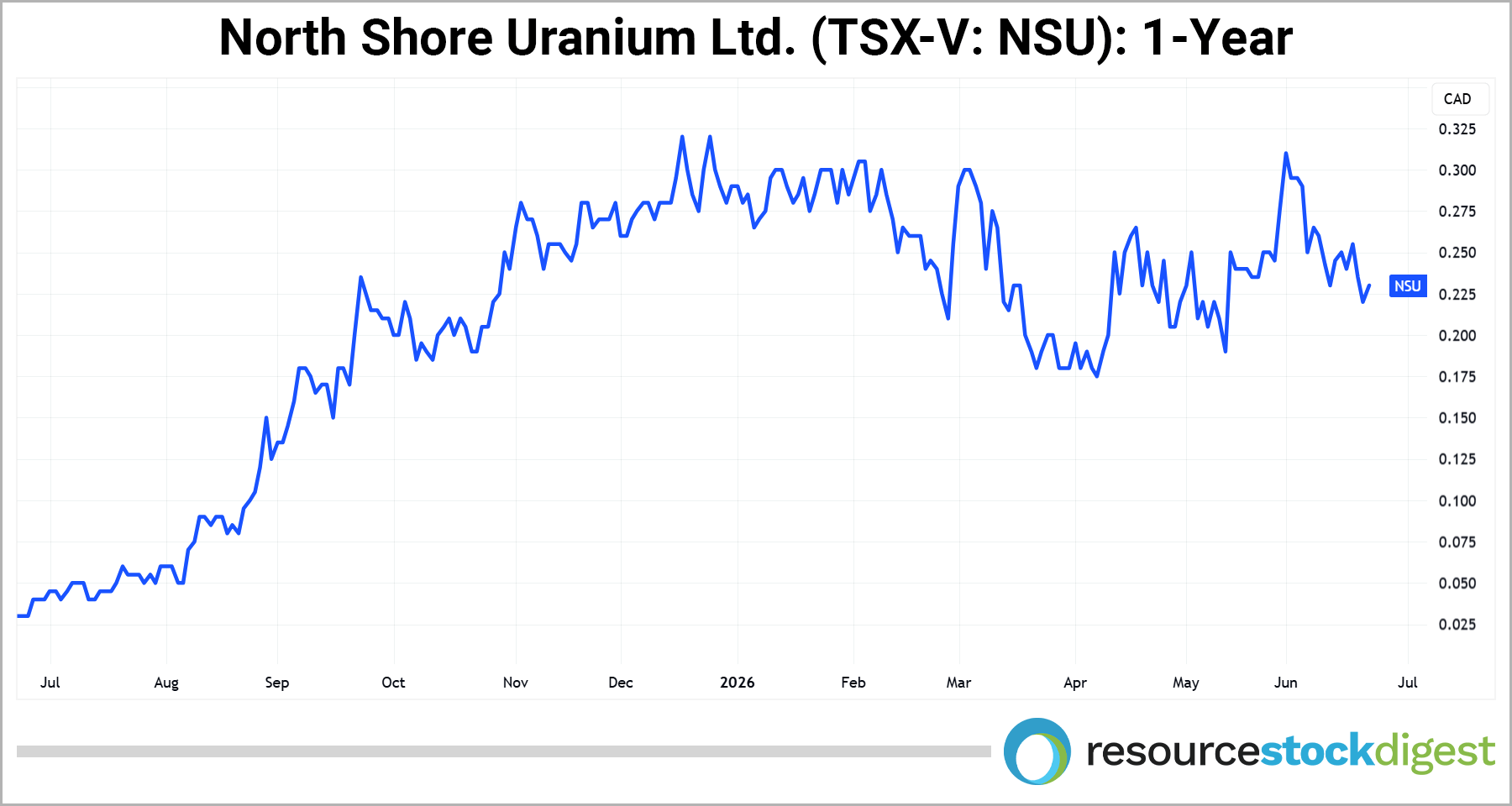
The broader backdrop for uranium also remains compelling, with governments around the world continuing to expand nuclear energy programs as AI-driven electricity demand and energy security concerns place increasing emphasis on reliable baseload power generation.
At the same time, the United States continues to consume substantially more uranium than it produces domestically, reinforcing the importance of projects capable of contributing future supply.
With drilling underway at Rio Puerco, continued exploration progress at Falcon and West Bear, and growing urgency around securing future North American uranium supply, NSU is entering what could prove to be one of the most important periods in its history.
A great place to learn more about North Shore Uranium is the company’s corporate website where you can learn more about its projects, the team, and sign up to receive updates directly from the company’s IR department.
View the most recent Corporate Presentation here.
Also, click here for more of our ongoing coverage of North Shore Uranium, including additional late-breaking interviews with upper management as developments arise.
North Shore Uranium Ltd. trades on the TSX Venture Exchange under the symbol NSU and on the OTCQB under the symbol NSURF.
— Resource Stock Digest Research
Click here to see more from North Shore UraniumFOOTNOTES:
- It’s important to note that a Historical Resource is not a current mineral resource or mineral reserve and should not be relied upon as such. It may, however, be relevant as an indication of potential significant mineralization. And if the company can verify the resource using modern exploration techniques, meet all regulatory requirements, and have its results verified by an independent Qualified Person (QP), it’s possible that the resource can be de-risked to a degree than it becomes NI 43-101 compliant as a current resource.
The scientific and technical information contained in this document has been reviewed and approved by Brooke Clements, the President and CEO and a director of North Shore Uranium, who is a Qualified Person as defined under National Instrument 43‑101.
Mr. Clements has reviewed the Company’s available historical records and technical materials relating to the Rio Puerco property for reasonableness and internal consistency. The Historical Resource estimate referred to in this document has not been independently verified as a current mineral resource or mineral reserve. A qualified person has not done sufficient work to classify the historical estimate as a current mineral resource or mineral reserve, and North Shore Uranium is not treating the historical estimate as a current mineral resource or mineral reserve. The verification process is limited by the age and nature of the historical data and the absence of sufficient modern confirmatory work. Additional drilling, sampling, validation of historical information and geological modelling will be required before the historical estimate can be verified or upgraded as a current mineral resource or mineral reserve.
*** PAID ADVERTISEMENT / INVESTOR RELATIONS MATERIAL ***
This report has been prepared and disseminated on behalf of North Shore Uranium Ltd. Resource Stock Digest has been retained and compensated to provide marketing and investor relations services relating to North Shore Uranium Ltd. This report is promotional in nature, does not constitute independent research, and should not be considered investment advice or a recommendation to buy, sell or hold any security. Readers should review the complete disclosure and compensation information appearing at the end of this report before making any investment decision.
IMPORTANT DISCLAIMER & DISCLOSURES
Resource Stock Digest, as a publisher, is not a broker, investment advisor, or financial advisor in any jurisdiction.
Please do not rely on the information presented by Resource Stock Digest as personal investment advice.
If you need personal investment advice, kindly reach out to a qualified and registered broker, investment advisor, or financial advisor.
The communications from Resource Stock Digest should not form the basis of your investment decisions. Examples we provide regarding share price increases related to specific companies are based on randomly selected time periods and should not be taken as an indicator or predictor of future stock prices for those companies.
The information in this newsletter does not constitute an offer to sell or a solicitation of an offer to buy any securities of a corporation or entity, including U.S. Traded Securities or U.S. Quoted Securities, in the United States or to U.S. Persons. Securities may not be offered or sold in the United States except in compliance with the registration requirements of the Securities Act and applicable U.S. state securities laws or pursuant to an exemption therefrom.
Any public offering of securities in the United States may only be made by means of a prospectus containing detailed information about the corporation or entity and its management as well as financial statements. No securities regulatory authority in the United States has either approved or disapproved of the contents of any newsletter. Neither Resource Stock Digest nor any employee of Resource Stock Digest is registered with the United States Securities and Exchange Commission (the “SEC”): as a “broker-dealer” under the Exchange Act, as an “investment adviser” under the Investment Advisers Act of 1940, or in any other capacity. Resource Stock Digest, its owners, directors, and employees are also not registered with any state securities commission or authority as a broker-dealer or investment advisor or in any other capacity.
HIGHLY BIASED:
In our role, we aim to highlight specific companies for your further investigation; however, these are not stock recommendations, nor do they constitute an offer or sale of the referenced securities. Resource Stock Digest has received cash compensation from North Shore Uranium and is thus extremely biased. It is crucial that you conduct your own research prior to investing. This includes reading the companies' SEDAR and SEC filings, press releases, and risk disclosures. The information contained in our profiles is based on data provided by the companies, extracted from SEDAR and SEC filings, company websites, and other publicly available sources.
Resource Stock Digest, and its owners, directors, employees, and members of their households may own shares of North Shore Uranium. Therefore, Resource Stock Digest is extremely biased. Measures are in place such that no shares will be sold during the active awareness campaign.
HIGH RISK:
The securities issued by the companies we feature should be seen as high risk; if you choose to invest, despite these warnings, you may lose your entire investment. You must be aware of the risks and be willing to accept them in order to invest in financial instruments, including stocks, options, and futures.
NOT PROFESSIONAL ADVICE:
By reading this, you agree to all of the following: You understand this to be an expression of opinions and NOT professional advice. You are solely responsible for the use of any content and hold Resource Stock Digest, and all partners, members, and affiliates harmless in any event or claim. While Resource Stock Digest strives to provide accurate and reliable information sourced from believed-to-be trustworthy sources, we cannot guarantee the accuracy or reliability of the information. The information provided reflects conditions as they are at the moment of writing and not at any future date. Resource Stock Digest is not obligated to update, correct, or revise the information post-publication.
FORWARD-LOOKING STATEMENTS:
This document contains “forward-looking information” within the meaning of applicable Canadian securities legislation. Forward-looking information includes, but is not limited to, statements regarding: North Shore Uranium Ltd.'s ongoing and planned exploration activities at its Rio Puerco, Falcon and West Bear properties; the Company's drilling program at the Rio Puerco property; the evaluation, validation and potential verification of the historical resource estimate associated with Rio Puerco; the potential preparation of a current mineral resource estimate in accordance with National Instrument 43-101; the interpretation of historical exploration data; the potential identification of additional mineralization; the potential suitability of the Rio Puerco property for in-situ recovery ("ISR") mining; the advancement of exploration targets at Falcon and West Bear; future uranium demand; domestic uranium supply requirements; nuclear energy development; and other statements regarding future plans, expectations, objectives, estimates and projections.
Forward-looking information is based on a number of assumptions, including, but not limited to: the availability of financing on reasonable terms; the Company's ability to obtain required permits, approvals and regulatory authorizations; the accuracy and reliability of historical exploration data; the continuation of planned exploration activities; the accuracy of geological interpretations; the suitability of current exploration methods; and general economic, market and industry conditions, including uranium prices, uranium demand and nuclear energy policy.
Forward-looking information is subject to a variety of known and unknown risks and uncertainties, including, but not limited to: the risk that planned exploration programs may not be completed as currently contemplated; the risk that exploration results may not confirm historical data or support the preparation of a current mineral resource estimate; the risk that additional mineralization will not be identified; the risk that the historical resource estimate associated with the Rio Puerco property will not be verified or upgraded; the risk that the Rio Puerco property may not prove suitable for ISR mining; risks relating to permitting and regulatory approvals; fluctuations in uranium prices; changes in government policy regarding uranium production, mining or nuclear energy; financing risks; operational and exploration risks; and general economic, market and industry conditions.
There can be no assurance that forward-looking information will prove to be accurate, and actual results and future events could differ materially from those anticipated. Readers are cautioned not to place undue reliance on forward-looking information.
All forward-looking information contained in this document is made as of the date hereof, and the Company undertakes no obligation to update or revise such information except as required by applicable law.